

Vaginal dryness and discomfort during intimacy are common experiences that often signal changes happening in your vaginal tissue. These symptoms point to a condition known as vaginal atrophy, or more broadly, the Genitourinary Syndrome of Menopause (GSM). Understanding what causes these physical changes is the first step toward finding comfort and taking control of your vaginal health.
At its core, vaginal atrophy is the thinning, drying, and swelling of the vaginal walls. This happens when the body has less estrogen. Estrogen is a key hormone that plays a very important part in keeping your vaginal tissues healthy. Think of estrogen as the maintenance crew for your vagina. It keeps blood flowing, helps cells renew, and makes sure everything stays moist and flexible. When estrogen levels drop, this maintenance crew slows down. This leads to changes you can notice.
The Central Role of Estrogen
Estrogen is very important for keeping the vaginal lining thick, soft, and healthy. A healthy vaginal lining is made of many layers of cells. These cells are rich in a material called glycogen. Glycogen is food for good bacteria, like lactobacilli. These helpful bacteria keep the vagina's normal acidic environment. This acidity is a natural defense that protects against infections [1].
When estrogen levels drop, this whole system is thrown off. The vaginal lining, also called the epithelium, gets thinner. It can shrink from a strong 20-40 cell layers down to just a few [2]. Less blood flows to the area, and the body makes less natural moisture. The tissues also lose collagen and elastin. These are the proteins that keep them plump and flexible. As a result, the vaginal walls can become less stretchy and more fragile. They are more likely to get irritated or tear [3]. The pH of the vagina also changes and becomes less acidic. This can upset the delicate balance of the vaginal environment. It makes it easier for other, less friendly bacteria to grow and cause infections [2].
Estrogen works by connecting with special "docking stations" in the vaginal tissue. These docking stations act like on-switches for important body jobs. When estrogen is present, it tells the body to send more blood to the vaginal walls. It also helps the body make collagen, which gives tissue its strength. It also supports the creation of glycogen in vaginal cells. All of these jobs work together to keep the vaginal environment healthy. Without enough estrogen, each of these jobs slows down. This creates the conditions for vaginal atrophy to happen.
Why Estrogen Levels Drop: The Primary Causes
The most common reason for a drop in estrogen is menopause. During the change to menopause, a time known as perimenopause, a woman's ovaries make less estrogen. This continues after menopause. For many women, the symptoms of vaginal atrophy can start during these years. The symptoms may get more noticeable over time [4]. In fact, other menopausal symptoms like hot flashes often go away. But vaginal atrophy tends to stay or get worse without care [5].
However, menopause is not the only cause. Other life stages and medical issues can also lead to a large drop in estrogen. This can trigger vaginal atrophy. Surgical menopause happens when both ovaries are removed in an operation. This causes a sudden and large drop in estrogen. It often leads to more severe symptoms [4].
New mothers may also have temporary vaginal dryness. While breastfeeding, the body makes more of the hormone prolactin. Prolactin is needed for milk production, but it can lower estrogen levels. This leads to a temporary state of low estrogen that is similar to menopause [3].
Cancer treatments are another major cause. Chemotherapy can damage the ovaries, which hurts their ability to make estrogen. Radiation to the pelvis can also harm the ovaries and vaginal tissues. Also, some hormone treatments for breast cancer can cause vaginal atrophy. Drugs like tamoxifen or aromatase inhibitors work by blocking estrogen in the body [3, 4].
Some medicines, like certain birth control pills, can also affect hormone levels and lead to vaginal dryness. Also, some immune system problems can affect how the ovaries work, causing estrogen to drop [3].
It is worth noting that vaginal atrophy affects a large part of the population. Studies show that up to 84 percent of women after menopause have some degree of it. But not all of them seek treatment. Many do not even realize their symptoms are from this condition [1]. Symptoms can start during perimenopause, years before menopause is complete. They usually get worse over time if no action is taken.
Addressing the Core Issue: Tissue Dehydration
No matter the cause, the tissue changes from low estrogen lead to one main problem: the vaginal tissue gets dehydrated. When the vaginal lining thins, it cannot hold moisture well. It becomes dry and fragile. This is where targeted non-hormonal options can make a big difference.
One of the best ingredients for fighting this tissue dehydration is hyaluronic acid. Hyaluronic acid is a substance found naturally in the body. It is known for its amazing ability to attract and hold water. It can hold up to 1,000 times its weight in water. This ability makes it a powerful moisturizer for the skin and for the delicate tissues of the vagina.
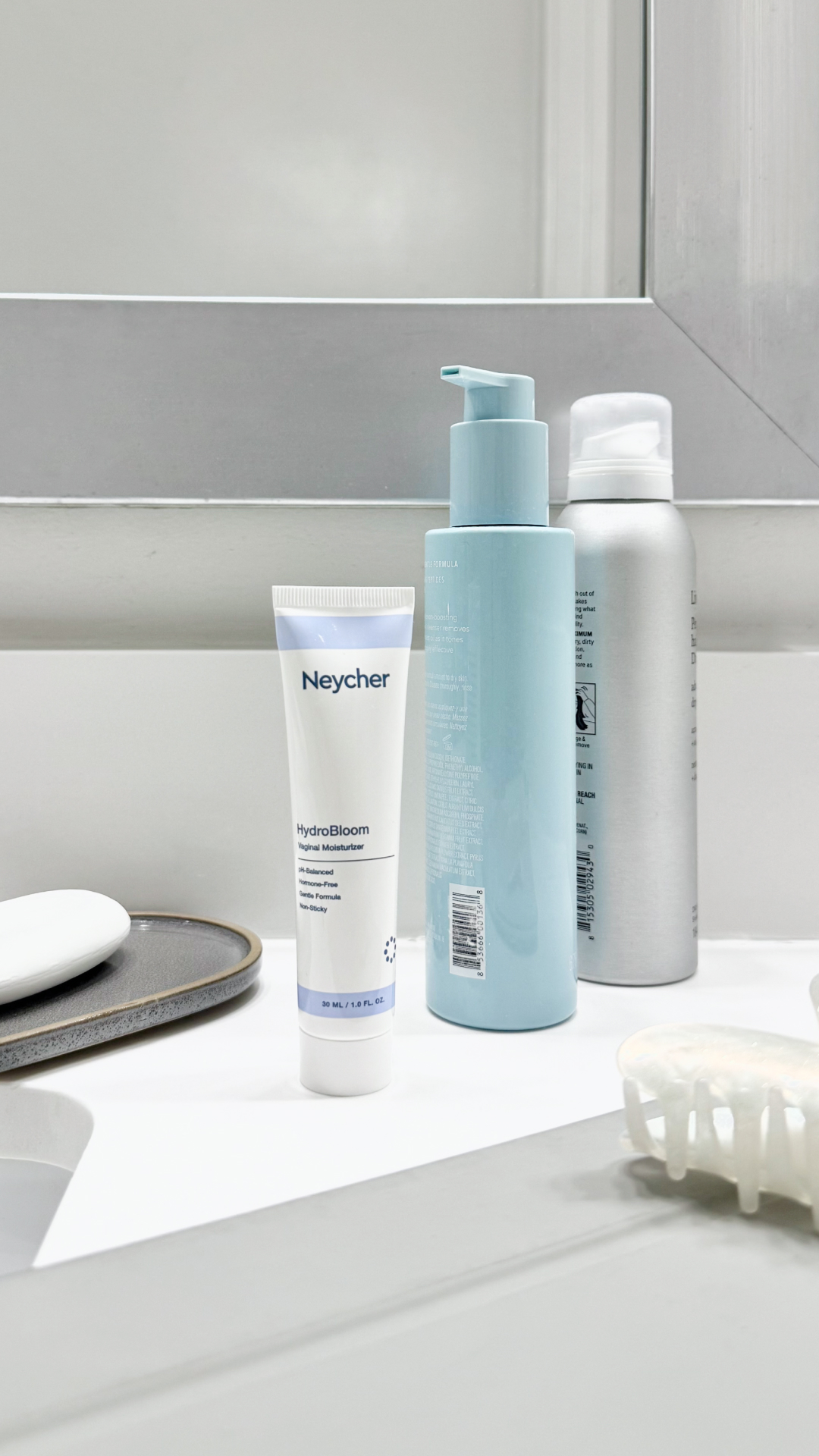
When used in a vaginal suppository, hyaluronic acid works right where it is needed. It gives intense moisture to the thinning tissues. This helps bring back moisture, improve tissue flexibility, and soothe the discomfort of dryness and friction. For example, Neycher's Vaginal Moisturizer is made with a 10mg dose of hyaluronic acid. This amount is designed to give deep and lasting hydration. The product also has lactic acid, which helps keep the vagina's ideal pH balance. It also has vitamin E, an antioxidant that feeds and supports tissue health. By directly addressing the tissue dehydration that causes vaginal atrophy, such moisturizers offer a science-backed, non-hormonal way to manage symptoms and improve vaginal comfort.
Many women find that using a vaginal moisturizer regularly can greatly reduce symptoms like dryness, itching, and discomfort. Studies show that women using products with these key ingredients report major improvements in their symptoms and quality of life. This approach is especially helpful for women who cannot or prefer not to use hormone-based treatments.
Other Factors That Worsen Atrophy
While a drop in estrogen is the main cause of vaginal atrophy, some lifestyle factors can make the condition worse. Smoking is one of them. It harms blood flow and reduces the effects of the body's own estrogen [3]. Sexual activity, or a lack of it, also plays a part. Regular sexual activity sends more blood to the vaginal tissues and helps keep them flexible. As a result, women who have sex less often may have more severe symptoms [3].
These other factors show why a full approach to managing vaginal atrophy is important. It is key to address the hormone changes. But supporting overall vaginal health through lifestyle choices can also make a real difference in symptoms and comfort.
Understanding the Changes and Moving Forward
It is important to know that vaginal atrophy is a physical condition. It is not caused by poor hygiene or something you have to put up with in silence. The changes are real and can greatly affect your quality of life, from daily comfort to intimacy. Understanding the causes of vaginal atrophy is a helpful first step. It makes it clear that these changes are a direct result of hormone shifts. This allows you to look for effective answers.
Whether the cause is menopause, breastfeeding, or a medical treatment, the drop in estrogen leads to expected changes in the vaginal tissue. By addressing the resulting dryness and supporting the vaginal environment, you can manage the symptoms. You can keep your vaginal health for years to come.
If you have symptoms of vaginal atrophy, talking to a healthcare provider can help. They can confirm the cause and help you explore the best options for you. From lifestyle changes to effective over-the-counter options like vaginal moisturizers, there are many ways to find relief. You can feel comfortable in your body again. The key is to know that these changes are common, treatable, and nothing to be ashamed of.
References
[1] Mac Bride, M. B., Rhodes, D. J., & Shuster, L. T. (2010). Vulvovaginal atrophy. Mayo Clinic Proceedings, 85(1), 87–94. https://pmc.ncbi.nlm.nih.gov/articles/PMC2800285/
[2] The North American Menopause Society (NAMS). (n.d.). Genitourinary Syndrome of Menopause (GSM). https://menopause.org/wp-content/uploads/for-women/MenoNote-GSM.pdf
[3] Mayo Clinic. (2021, September 17). Vaginal atrophy. https://www.mayoclinic.org/diseases-conditions/vaginal-atrophy/symptoms-causes/syc-20352288
[4] Cleveland Clinic. (2022, October 26). Vaginal Atrophy. https://my.clevelandclinic.org/health/diseases/15500-vaginal-atrophy
[5] Harvard Health Publishing. (2019, March 22). Don't ignore vaginal dryness and pain. https://www.health.harvard.edu/womens-health/dont-ignore-vaginal-dryness-and-pain
This article is for informational purposes only and does not constitute medical advice. Please consult with your healthcare provider for any health concerns or before starting any new treatment.'''