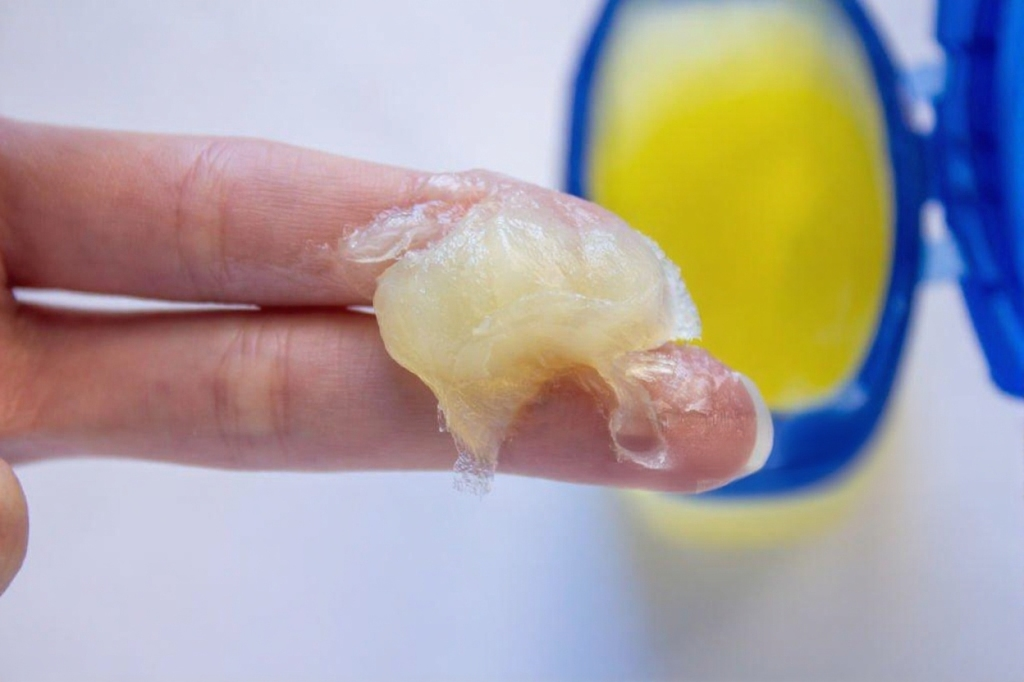


That blue jar of Vaseline has probably rescued your chapped lips dozens of times, so reaching for it when vulvar itching strikes feels like common sense. But your genital tissues have very different needs than the skin on your hands or face, and what soothes one can actually irritate the other. Before you reach for that jar, it's important to understand what's causing the itch, because effective relief comes from addressing the root cause, not just temporarily masking the discomfort.
What's Actually Causing the Itch
Vaginal and vulvar itching usually traces back to a few common causes, and knowing which one you're dealing with makes all the difference in finding relief. One of the most frequent culprits is an imbalance in the vaginal microbiome. Your vagina is home to a complex ecosystem of bacteria, and when the delicate balance is disrupted, it can lead to conditions like bacterial vaginosis (BV) or a yeast infection [1].
Bacterial vaginosis occurs when certain types of bacteria that naturally live in the vagina overgrow, overwhelming the beneficial bacteria like Lactobacillus species that help keep the environment healthy and acidic. This overgrowth can cause symptoms like a thin, grayish-white discharge and a distinct fishy odor, along with itching and irritation [2]. A yeast infection, typically caused by the fungus Candida albicans, is often characterized by intense itching, a thick, white, cottage cheese-like discharge, and redness and swelling of the vulva [3].
Beyond microbiome imbalances, itching can also be a reaction to external irritants. Scented soaps, laundry detergents, bubble baths, and even certain types of fabrics can cause contact dermatitis on the sensitive skin of the vulva [2]. Hormonal changes, particularly the drop in estrogen during menopause, can also lead to thinning and drying of the vaginal tissues, a condition called atrophic vaginitis, which often results in itching and discomfort [3].
Why Vaseline Isn't the Answer
Now that we've covered the common culprits, it's easier to see why a simple barrier cream isn't the solution. Petroleum jelly works by creating an occlusive, or waterproof, layer on the skin. While this is great for preventing moisture loss from chapped skin, it becomes a problem on the vulva. The genital area is a warm, moist environment, and trapping that moisture against the skin can create an ideal breeding ground for the very bacteria or yeast causing the itch.
Research directly links the use of petroleum jelly in the vaginal area to an increased risk of bacterial vaginosis. One study found that women who used petroleum jelly intravaginally were 2.2 times more likely to have BV [4]. By creating a barrier, petroleum jelly can disrupt the delicate vaginal pH and interfere with the ability of beneficial Lactobacillus bacteria to thrive. These good bacteria are essential for producing the lactic acid that maintains the vagina's healthy, acidic environment and keeps harmful bacteria in check [5].
Ultimately, petroleum jelly does nothing to address the underlying cause of the itch. If the problem is a yeast infection, the occlusive barrier may worsen it. If it's BV, you are creating a more favorable environment for the problematic bacteria. And if the cause is an allergic reaction, the jelly may trap the irritant against your skin, prolonging the issue.
What Actually Helps
So if Vaseline is off the table, what should you be reaching for instead? An effective strategy focuses on restoring balance to the vaginal ecosystem and soothing irritation with ingredients formulated for intimate use. This often requires a multi-pronged approach that supports a healthy vaginal environment.
Restoring the vagina's natural acidity is a critical first step. Products containing lactic acid can help lower the vaginal pH back to its optimal range of 3.8 to 4.5. This creates an environment where beneficial bacteria can flourish and harmful bacteria struggle to survive. Soothing botanical ingredients like aloe vera and calendula extract can also provide gentle relief from the immediate sensations of itching and burning without disrupting the microbiome.
For itching related to bacterial overgrowth, Neycher's BV Away suppositories are formulated with lactic acid to restore pH, along with soothing aloe vera and calendula to calm irritated tissues. For itching associated with yeast, antimicrobial botanicals like tea tree oil can help address the fungal overgrowth. Neycher's Yeast Away suppositories use ingredients like tea tree oil and spirulina to provide anti-inflammatory benefits and support tissue healing.
To promote long-term health and prevent recurrence, replenishing the beneficial bacteria in the vagina is key. A synbiotic approach, which combines probiotics (beneficial bacteria) with prebiotics (food for those bacteria), can help re-establish a resilient microbiome. Neycher's Vaginal Synbiotic is a suppository that delivers six probiotic strains directly to the vagina, along with prebiotic elements to help them thrive. Together, these products form the BV Killer Bundle, a comprehensive system designed to address the root causes of microbiome-related itching.
When to Get Medical Help
While many cases of vaginal itching can be managed by restoring microbiome balance, it is crucial to know when to seek professional medical advice. You should see your health care provider if you experience vaginal discomfort for the first time, so you can get an accurate diagnosis and learn to identify the signs and symptoms of different conditions [2].
It is also important to consult a doctor if you have a particularly unpleasant vaginal odor, severe itching, or a new type of discharge. If you have had multiple sexual partners or a new partner recently, your symptoms could be due to a sexually transmitted infection (STI), which requires specific medical treatment. Finally, if you have tried an over-the-counter treatment and your symptoms persist, or if you develop a fever, chills, or pelvic pain, it is essential to get a professional evaluation [2, 3].
If itching keeps coming back, stop guessing and start addressing the actual cause. Choose products designed to restore vaginal balance rather than ones that just create a barrier, and see your doctor if symptoms persist or worsen.
This article is for informational purposes only and does not constitute medical advice. The information contained herein is not a substitute for and should never be relied upon for professional medical advice. Always talk to your doctor about the risks and benefits of any treatment.
References
[1] Vaginitis. American College of Obstetricians and Gynecologists. Last updated September 2023. https://www.acog.org/womens-health/faqs/vaginitis
[2] Vaginitis. Mayo Clinic. Updated December 22, 2021. https://www.mayoclinic.org/diseases-conditions/vaginitis/symptoms-causes/syc-20354707
[3] Golen T, Ricciotti H. What's causing my vaginal symptoms? Harvard Health Publishing. October 1, 2023. https://www.health.harvard.edu/womens-health/whats-causing-my-vaginal-symptoms
[4] Brown JM, Hess KL, Brown S, Murphy C, Waldman AL, Hezareh M. Intravaginal practices and risk of bacterial vaginosis and candidiasis infection among a cohort of women in the United States. Obstet Gynecol. 2013 Apr;121(4):773-780. doi: 10.1097/AOG.0b013e31828786f8
[5] Łaniewski P, Owen KA, Khnanisho M, Brotman RM, Herbst-Kralovetz MM. Clinical and personal lubricants impact growth of vaginal Lactobacillus species and colonization of vaginal epithelial cells: an in vitro study. Sex Transm Dis. 2021 Jan;48(1):63-70. PMCID: PMC8793461